 |
While the weather was so cold and snowy, I was taking advantage of the time to get more writing done. Outdoor activities (beyond the necessities) were out of the question. But this last few days has been so much milder and it makes me feel like spring is coming soon.
NEW BOOK RELEASE!!!
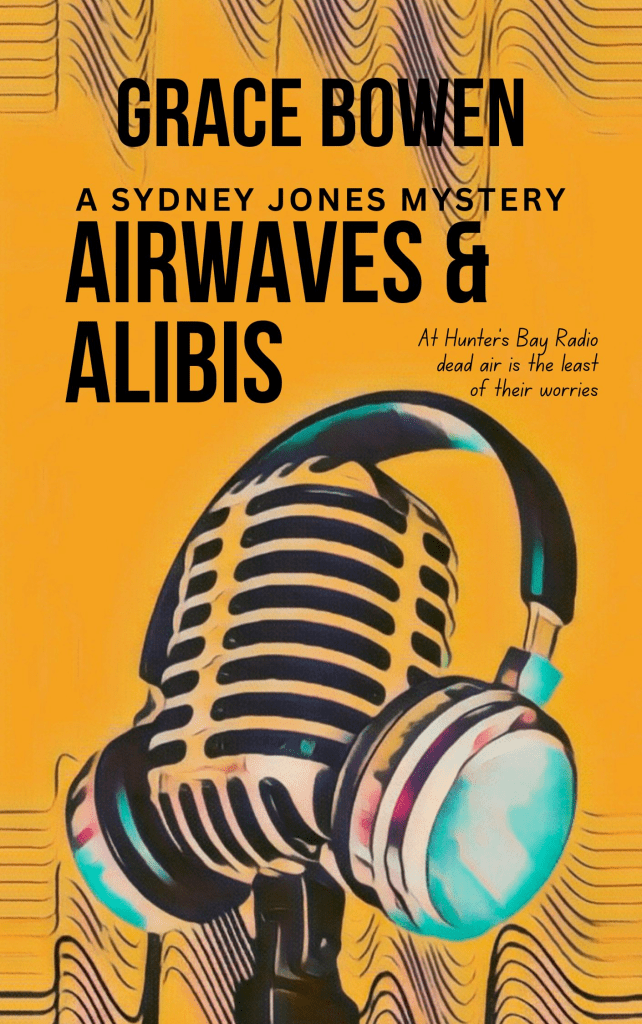
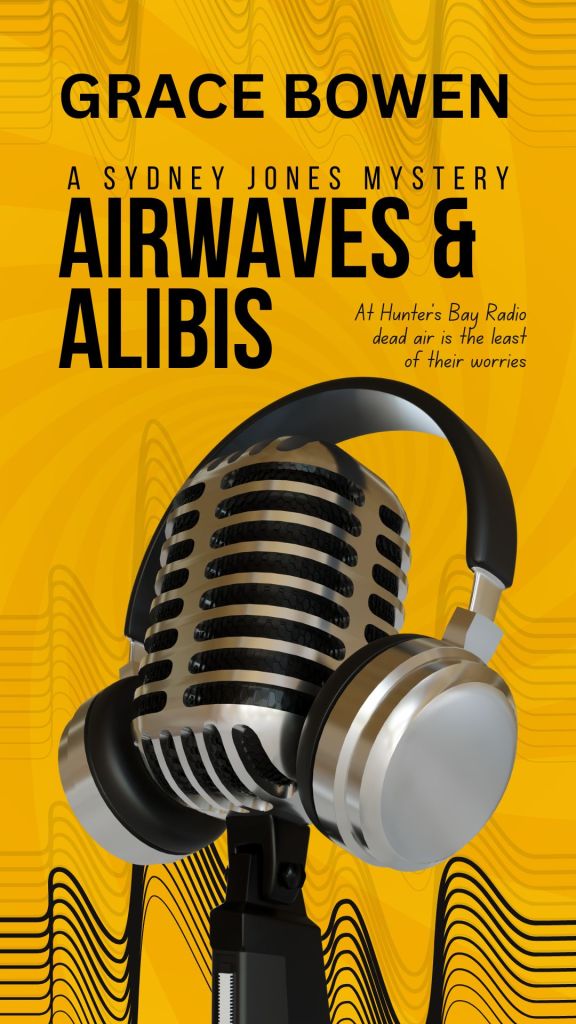
Airwaves & Alibis is now available on Amazon. Both paperback and e-book versions. Also available to read for free on Kindle Unlimited. 😊 So grab your copy today and find out what happens next in Blueberry Falls!
Click on the book to go directly to the sales page 😊
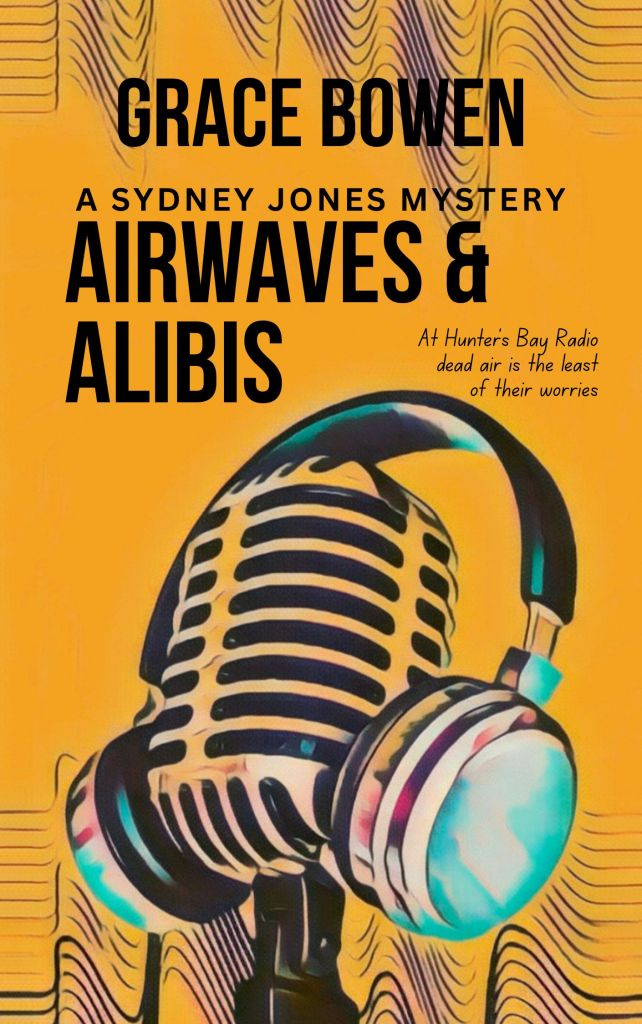
In the quiet northern town of Blueberry Falls, Sydney Jones finds herself once again thrust into a murder investigation after discovering the body of Annie Hardwick at Hunter’s Bay Radio, leading her to enroll in a private investigator course and accept a commission from the station’s board to find the truth. In the second book of the Sydney Jones Cozy Mystery Series, Airwaves and Alibis, Sydney navigates professional tension and a burgeoning romance, uncovers evidence of financial embezzlement involving a phantom account, and is aided by a stray dog.
If you liked the fast pace of Perilous Pins, you will love the newest whodunit in the series. Available today.
In Case You Are Curious:
I am starting to work on book 3 in my Sydney Jones Mystery Series.
People have asked me how I come up with my story ideas, so I decided I would map some of it out here. The details become more and more involved as I get further into the outlining, so this is just a basic list of my first first few steps of outlining my novel. The ones I am working on at present.
4 basic steps I start with when I begin to flesh out my story idea:
Location:
The first thing I do is decide on a location. The location needs to have some unique qualities and I need to be quite familiar with it,. For this book, the location is already decided now, and I know it very well.
Major Incident:
The next thing I think about is the details of where the body is found. Most times, I haven’t yet figured out how the body got where it is, or who was involved, but I think about a place within the location. For example, a body found in a bowling alley behind the bowling pins.
Motive:
After I have figured out the location and the major incident, I make a list of motives for the murder. Note: Since I am currently writing a cozy mystery series, there will almost always be a murder (even though it won’t be gory, since it is a cozy and clean read)
Finding a motive that will work in the specific scenario I have started to create in my plan can be difficult because there are so many things that must work with it. It cannot be too obvious. It must make sense. It must fit into the story I am trying to create with my cast of characters.
Character List:
After I have the basic premise of the murder, I then must make a list of characters. I choose who will be brought into the new story from the prior books. There will always be a few that appear in every book in the series, even if just small parts. And obviously, Sydney Jones will be the star in every story, since the series is called The Sydney Jones Mystery Series lol.
I will take into account the location and major event that will occur when thinking about who needs to be carried forward.
I will also take note of reader feedback about characters. For example, I have a reader that told me who her favorite character was from Perilous Pins. This character was not one that others had mentioned and they are not in book 2 – Airwaves & Alibis. BUT….the character will be back in book 3. The reader gave me a list of reasons why this was her favorite character and I had to agree. So, if that reader knows who I am talking about, I hope it makes them happy 😊
I also must develop a list of brand new characters to introduce to the story. This is time consuming but fun. They must have a reason for being in the story. Then I must come up with a name. Then, I start developing their character details. Although, I must admit, I often only have a name, age and basic reason they are in the story. The rest of the characteristics I often leave until I reach the specific scene are in. Then I have to go back and add to my outline.
Soooooo, that is just the very basics of how I begin each novel. The steps may change slightly depending on how the initial spark of a story came into fruition, but I tend to repeat what works, and this is what works for me.
If you have a favorite character from either Perilous Pins or Airwaves & Alibis, I would love to know who it is, and why they are your favorite. If you have any feedback I would love to hear about it. Please feel free to send me an email to books@gracebowenbooks.ca and let’s chat! You are what fuels me when the writing gets hard. So, fuel me up!!! 😃
🎯 Please Leave a Review
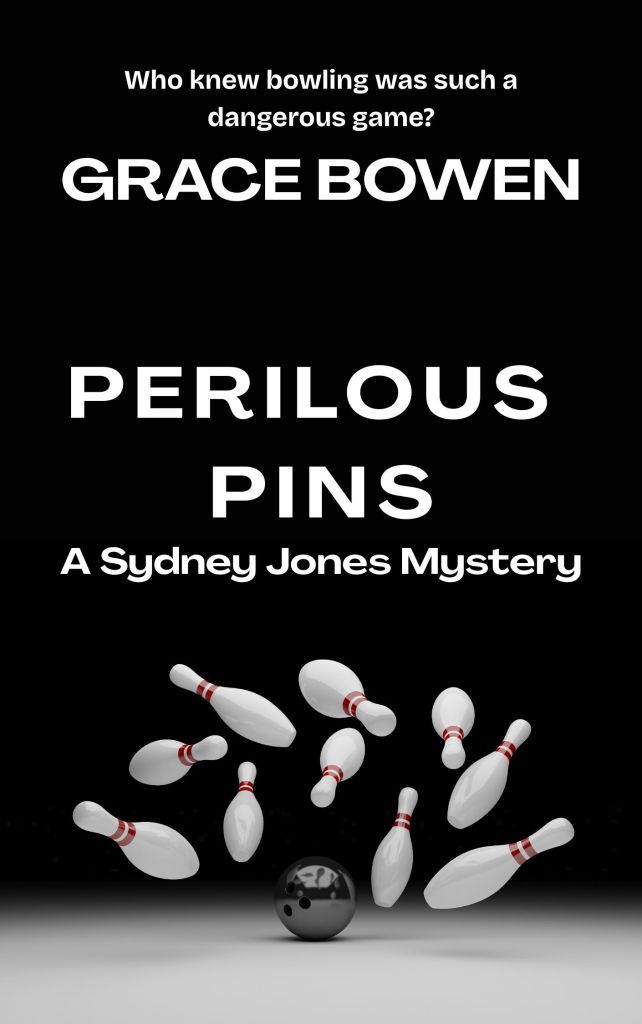
Book reviews are important. If you have read Perilous Pins and have not yet left a review, please, help me out, and leave one. It would mean the world to me.
On Amazon, I think that if you have purchased $50+ in the last year, you are able to leave a review. I will add the direct link to the review below.
If you don’t use Amazon, a personal email with a review is also helpful. I truly do want your input.
Amazon Review Link for Perilous Pins
Thanks so much 😊





 Grace Bowen Books